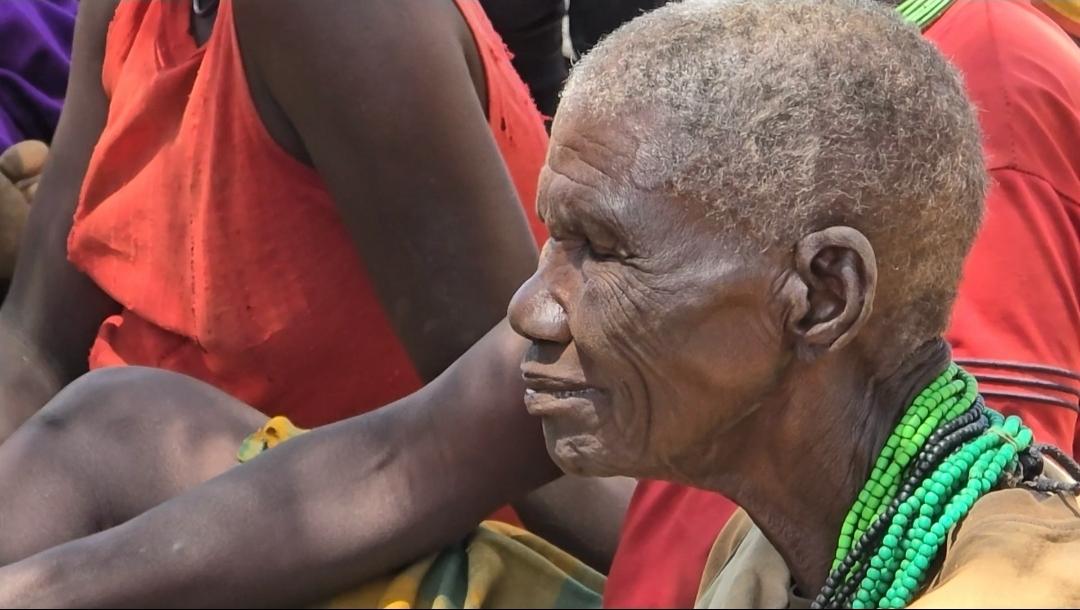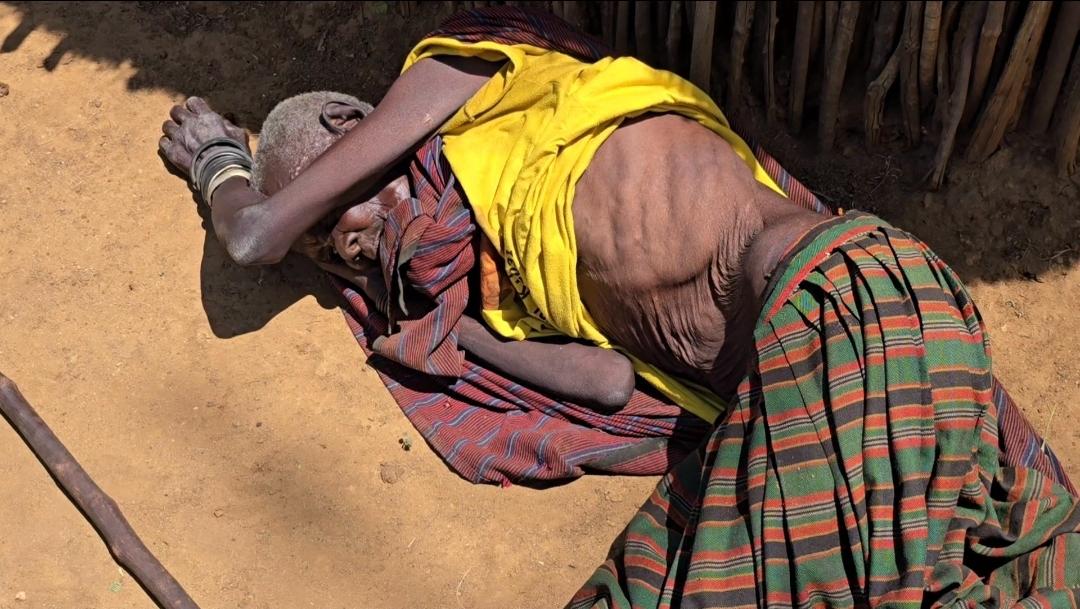
The number of people who have died in Karamoja amid a worsening hunger crisis has risen to 19, as vulnerable communities await the government’s emergency food relief programme.
The government has announced plans to distribute 20 kilograms of maize flour (posho) and 10 kilograms of beans to each household affected by the crisis.
However, residents and local leaders say the allocation may only provide temporary relief as prolonged drought continues to destroy livelihoods across the sub-region.
While the planned intervention has offered some hope, many families say the food quantities will not last long, especially given the large household sizes common in Karamoja.
Moroto District Vice Chairperson Stephane Adupa Namer said the proposed ration is inadequate for many families.
“The planned quantity cannot last a week because of the large size of households in Karamoja. Some men have four or more wives and many dependants. In such cases, the food may last only three days,” she said.
In Nawanatau Village, 75-year-old Lomongin Lomer heads a household of 20 people, including three wives, children, siblings and other dependants.
The family says the government ration would likely be consumed within a few days.
Local Council One Chairperson of Nachuka Village, Peter Lomongin, shared similar concerns.
“The food will only last us three days — just three days,” he said.
In another household, 70-year-old Munyes Nakain, who cares for 15 people, said her family is eagerly waiting for the relief food despite concerns that it will not last long.
Adupa suggested that government consider establishing community feeding centres where vulnerable people can access regular meals instead of relying only on household food packages.
“Government should establish feeding centres where vulnerable people can receive breakfast, lunch and supper. That would help sustain families for a longer period,” she said.
However, for some families, the intervention is coming after lives have already been lost.
In Arechek Village, residents point to the grave of Veronica Nachuge, whom they say died after spending several days without food.
Parish Chief Peter Lotukei of Nawanatau said three hunger-related deaths have already been recorded in the parish.
“We have already lost three people because of the hunger situation,” he said.
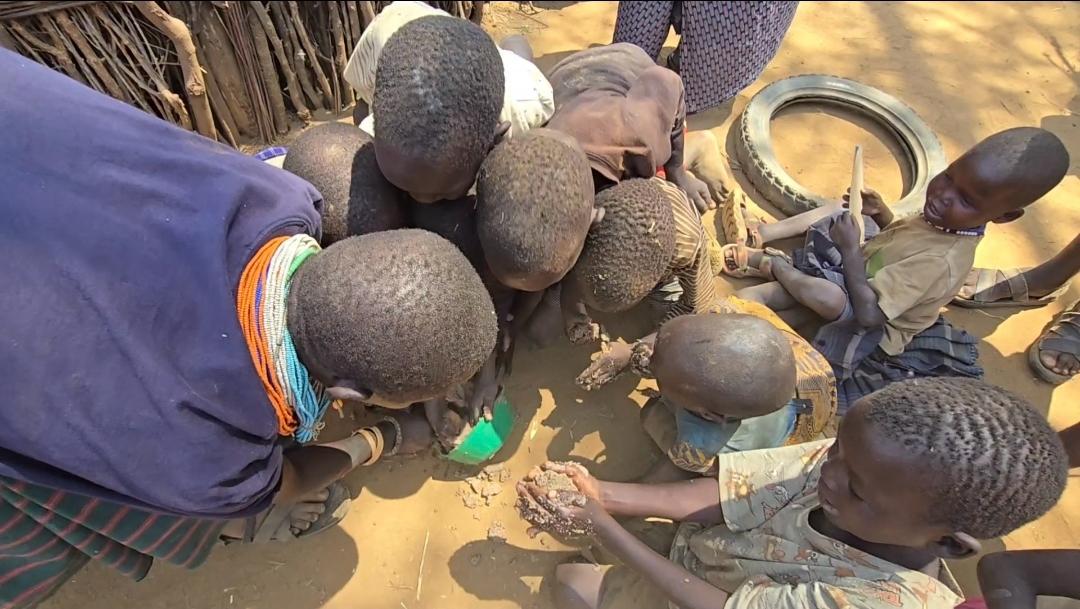
Children and older persons remain among the most affected groups, with some households reportedly surviving on residue from locally brewed sorghum beer after exhausting their food supplies.
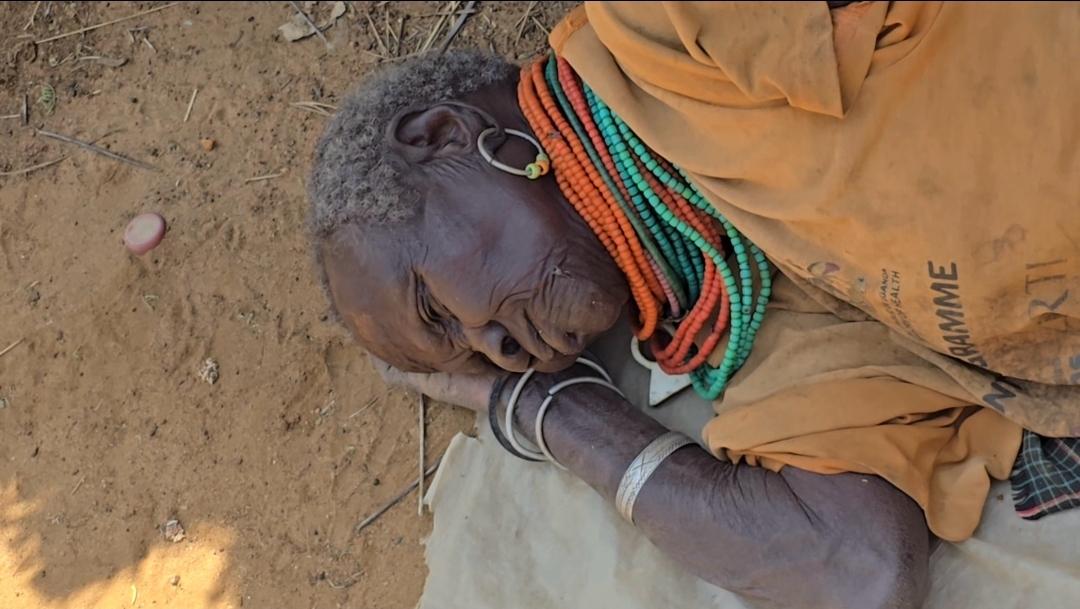
Maria Lochoro, the elderly representative for Loputuk Sub-county, said drought has severely affected food production in the area.
“The sun has been too hot. All the crops have dried up, and children and elderly people are starving to death,” she said.
Residents said food deliveries expected in Moroto had not arrived by the time of reporting, increasing fears that more families could face worsening conditions.
Community leaders are urging government to speed up distribution of relief supplies and consider additional support for larger households, warning that continued delays could deepen the humanitarian crisis in Karamoja.